
- Case
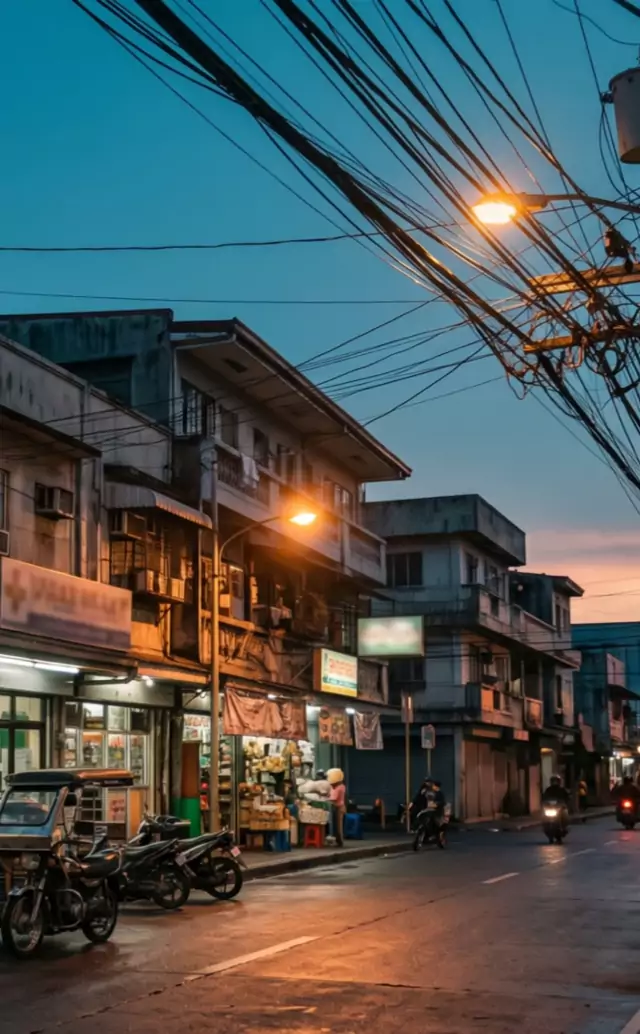
- A row or compound of small shops
- Pool by
- Neighboring sites in one area, served by one utility
- Typical
- Bakeries, pharmacies, clinics, print shops, cafés
- First check
- Each site’s peak demand over twelve months
Since 26 June 2026, sites using 100 kW, alone or pooled with neighbors, can switch supplier. We get you there.
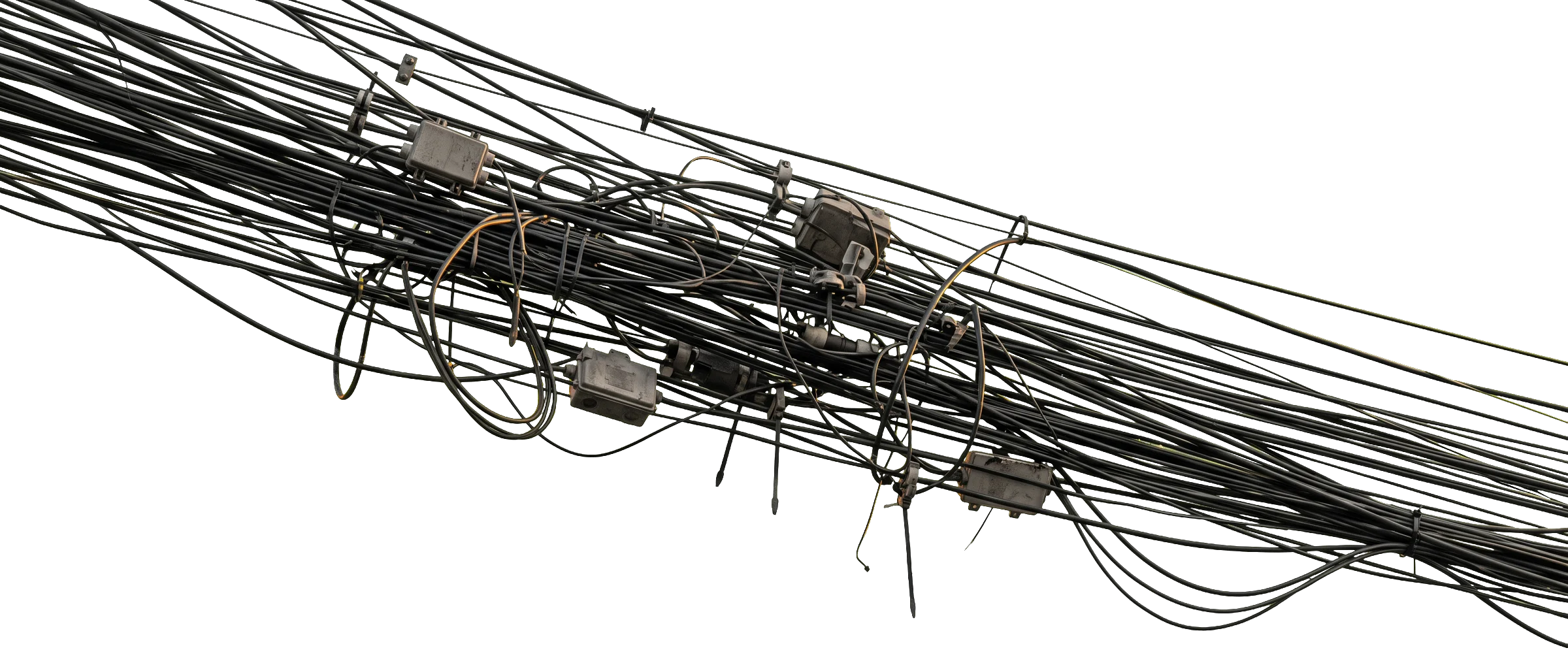
For years, a business drawing under 500 kW had one place to buy electricity: its utility.
500
100
kW
The Energy Regulatory Commission lowered the bar for choosing a supplier. In force since 26 June 2026.
Under 100 on your own? The businesses next door count too.
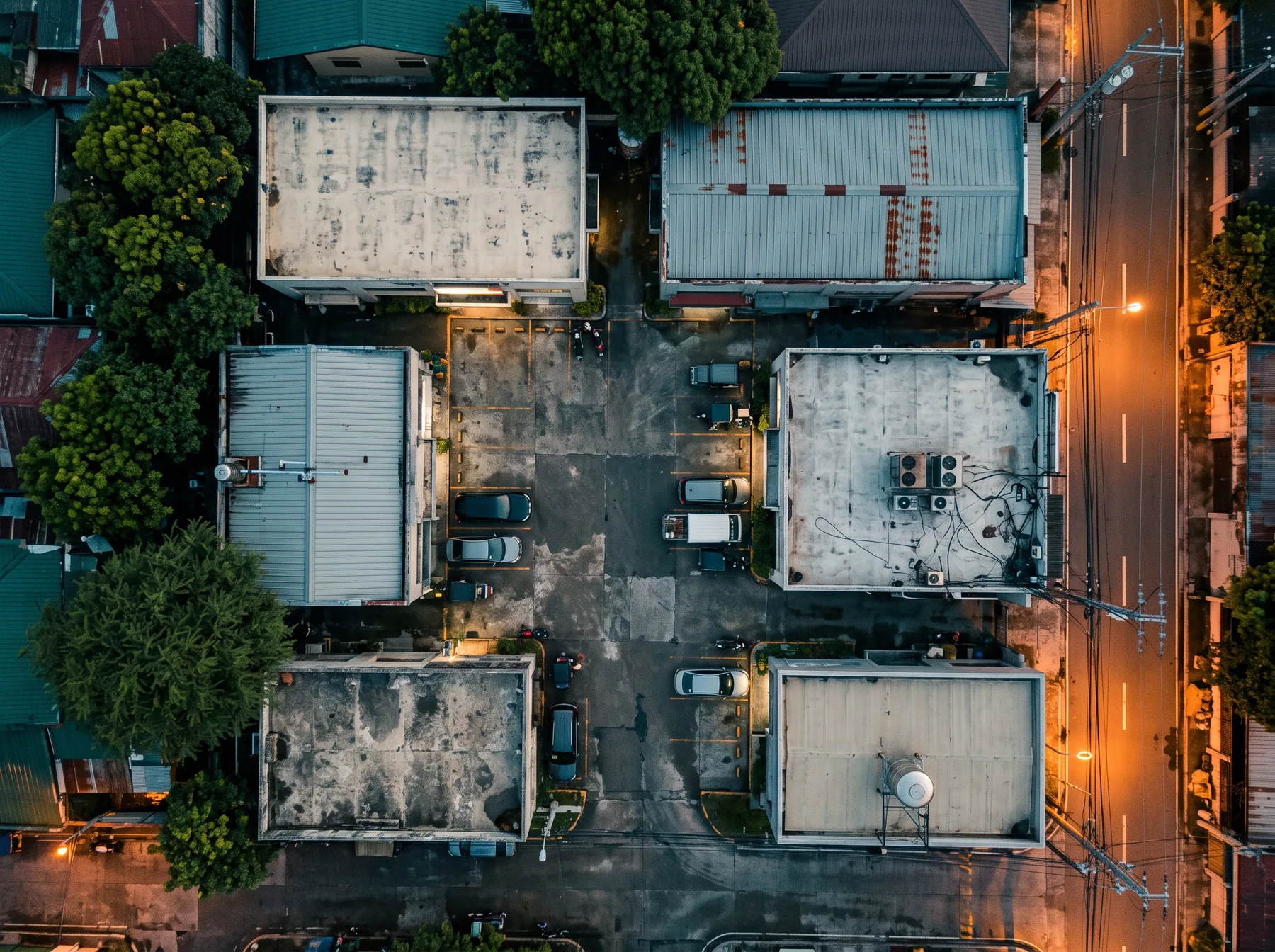
Illustrative compound. Whether sites may pool is set by your utility’s rules for the area. We confirm it before anything is signed.
Six small businesses. None qualifies alone. Watch what happens when they count together.
0 kW pooled
Captive. 100 kW to go.
Dotted mark: the ERC is studying a 50 kW threshold. Not in force.
Enter each site. Don’t know its kW? Use the kWh on the bill: we estimate peak demand at a 45% load factor and confirm it from meter data later.
Four steps, read like a one-line diagram. The wires and the utility that maintains them stay exactly as they are. What changes is who generates and sells you the power.
We read twelve months of bills for every site, confirm each one’s peak demand and utility, and find out whether your sites can be counted as one group.
The group’s intent goes to the utility, and the utility installs the advanced meters every participant in the competitive market needs.
We ask licensed Retail Electricity Suppliers for offers and set them side by side: rate, term, exit terms, renewable options. You choose, and you sign with the supplier directly.
On the switching date your supply moves over. Afterwards we check every bill against the contract, and flag the kWh an energy audit could take off the top.
An independent advisor and channel partner to licensed suppliers, run by DOE-certified energy auditors.
A supplier. We don’t sell you electricity and we are not a party to your supply contract.
The supplier you choose pays our fee. You pay no advisory fee, and we put that arrangement in writing before you sign.

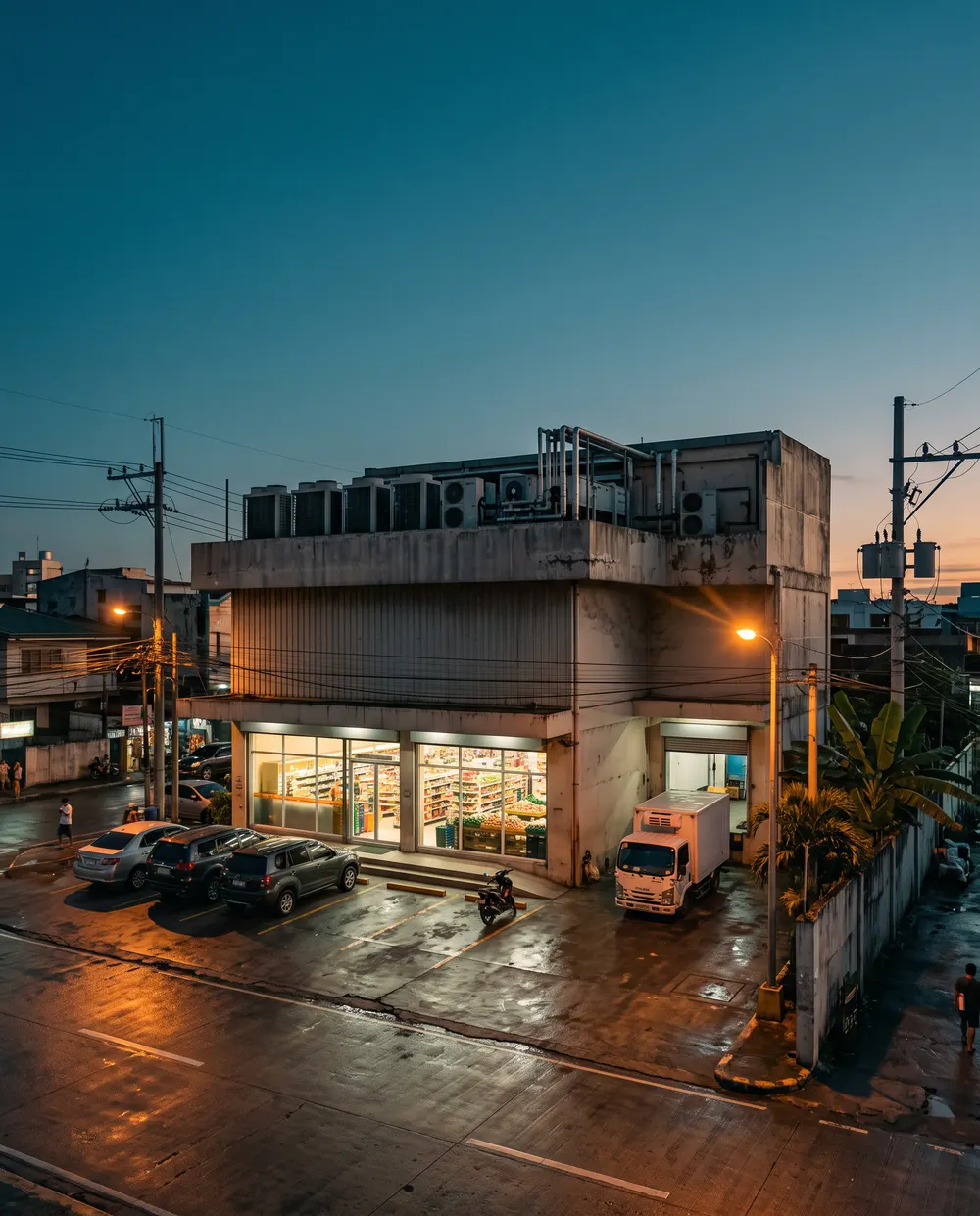
0 end-users were scheduled to switch supplier on the first day of the 100 kW rule, 26 June 2026. Manila Bulletin
0 coffee shops of one chain in Metro Manila contracted a retail supplier together. BusinessWorld
0 MW of demand pooled by one water utility’s facilities under retail aggregation. Manila Bulletin
Your bill shows what you paid. An audit shows what you never needed to buy. We read both.
Engr. Jhonsen D. Sales, ECE
Founder, RAP Power
Tell us about your sites. We reply by email with what we need next, usually twelve months of bills, and whether pooling is possible where you are.
Your group
No sites added yet. Add them on the board , or just describe them in the form.
About
RAP Power helps Philippine businesses stop taking their electricity supplier for granted. Since 26 June 2026, a site using 100 kW, alone or counted together with its neighbors, may choose who supplies its power. We find out whether you qualify, what your real demand is, who can sell to you, and what the switch actually involves.
RAP Power is an independent energy adviser and channel partner to licensed Retail Electricity Suppliers. We are not a supplier and we do not sell electricity. Our work starts with your bills and your meters, not with a supplier’s price list: we read twelve months of consumption, estimate each site’s peak demand, and check the figure that decides everything, the 100 kW contestability threshold.
If no single site clears the threshold, we look at the compound around it. Neighboring businesses served by one utility may pool their demand; we test whether the rules for your area allow it, then model the group as one buying block. When a group qualifies, we run a comparison across licensed suppliers on the terms that matter to a business: generation rate, contract length, bill deposit, metering, and who carries the risk when demand moves. Then we manage the switch itself, so the wires and the utility that maintains them stay exactly as they are while only the supply side changes.
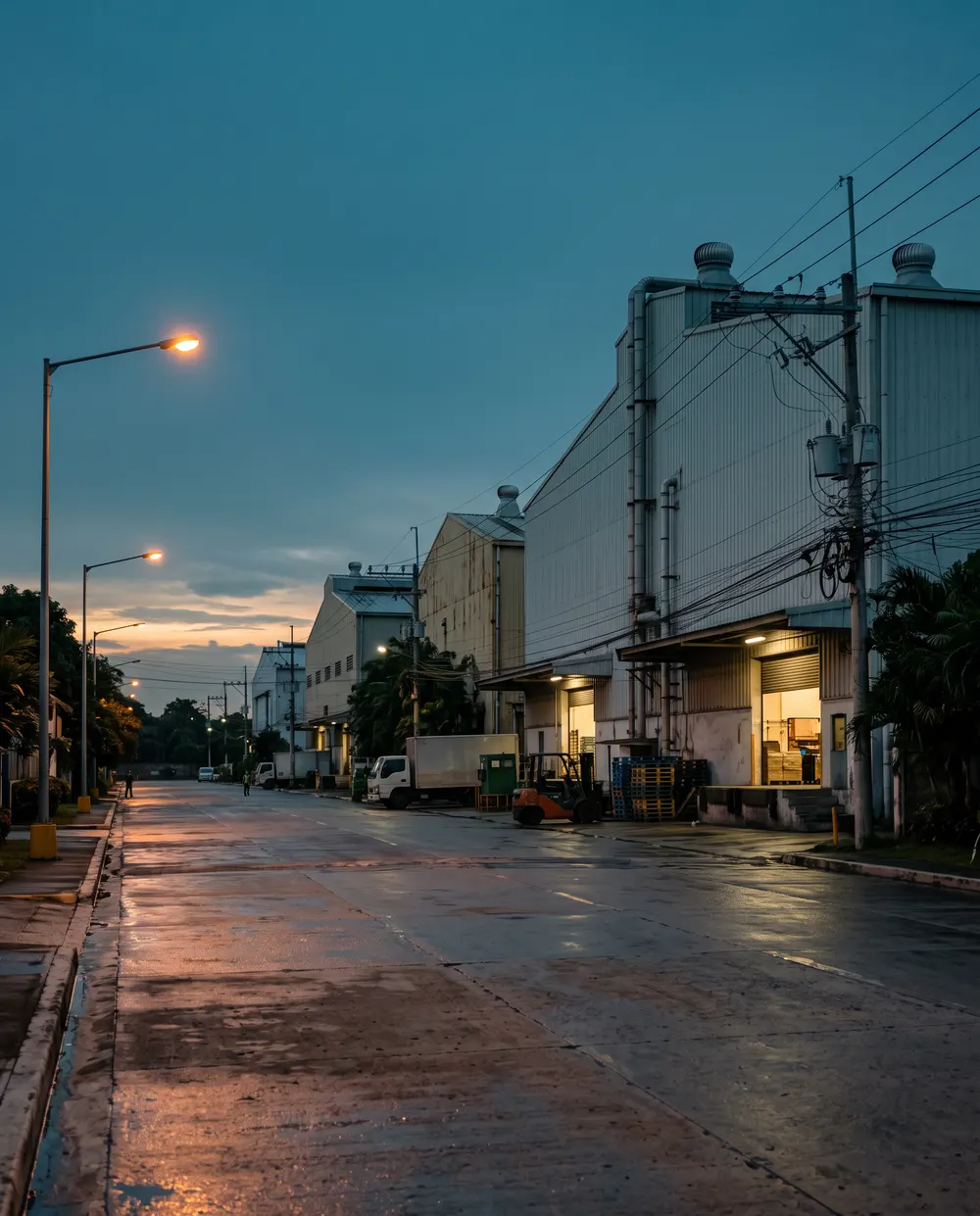
We work with owners, finance teams and facility managers of Philippine businesses whose electricity bill is a line item worth negotiating: bakeries, pharmacies, clinics and print shops in a row of shops; offices and tenants inside one mixed-use building; light manufacturers, cold storage and food processing inside industrial estates and ecozones; supermarkets, schools and hospitals that already draw more than 100 kW on their own. Cooperative members and estate managers are welcome too, and we say plainly when pooling is not allowed where you are.
RAP Power is built and run by Engr. Jhonsen D. Sales, ECE, a DOE Certified Energy Auditor and DOE Certified Energy Manager, and an AEMAS ASEAN Certified Energy Manager. He has completed 27+ energy audit engagements across Philippine industry and commerce, and is the author of The Energy Audit Handbook for the Philippines. The site’s method comes from that work: an audit shows what you never needed to buy, a supply contract decides what you pay for the rest.
Everything we publish about the threshold and its dates is checked against news reporting and the Energy Regulatory Commission’s own issuances, and we cite the source on the page. When the rules change, the site changes with them.
Your utility